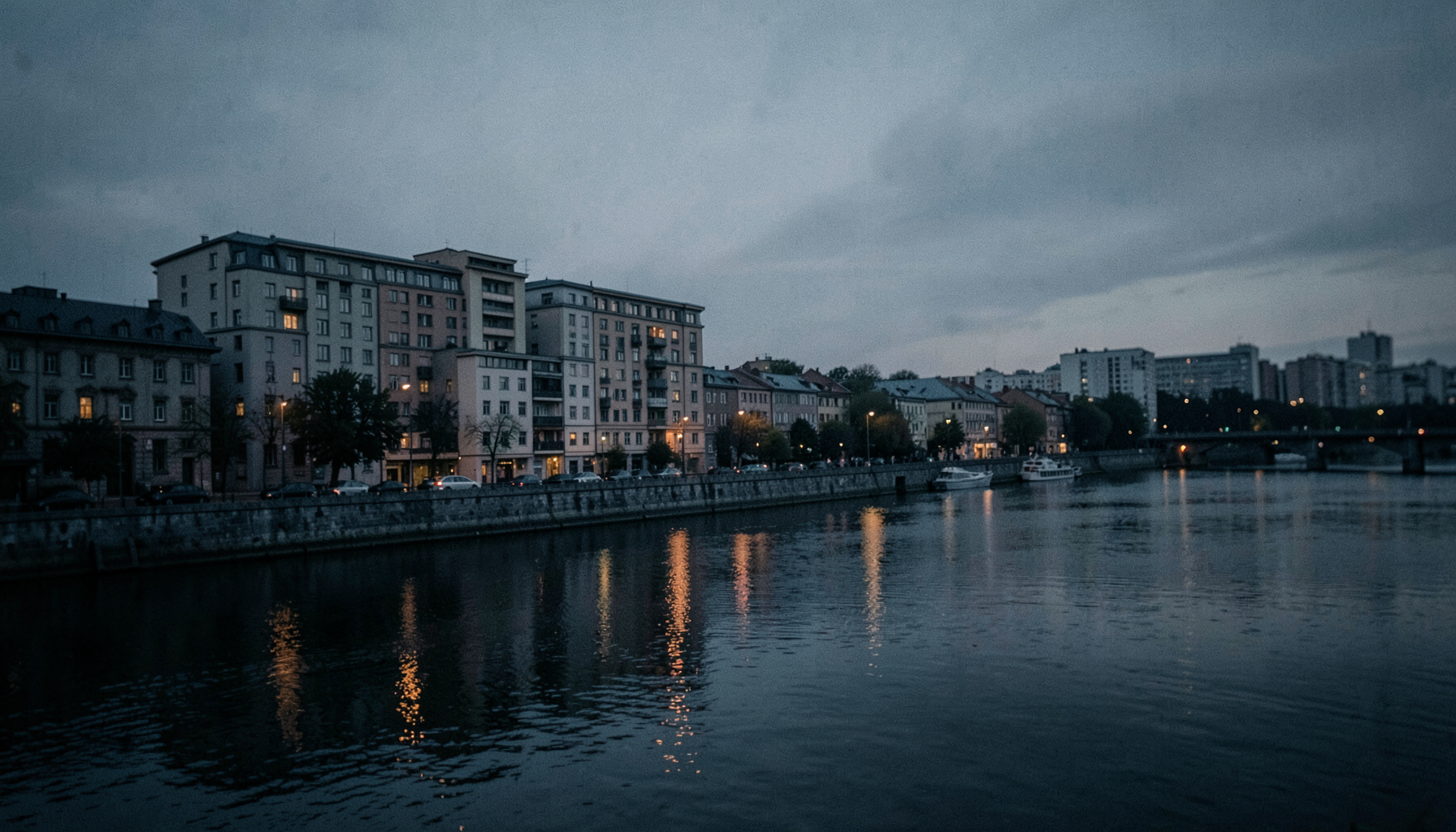
Green roof incentives for Pittsburgh’s riverfront buildings
Green roofs can turn underused roof surfaces into part of a riverfront climate strategy. Planted roofs slow stormwater, reduce heat absorbed by buildings, support urban habitat and make dense development more comfortable. Along Pittsburgh’s rivers, these benefits are relevant to new apartments, offices, warehouses, schools and mixed-use projects exposed to intense rain and summer heat.
An effective incentive programme needs to connect building design with zoning, public infrastructure and neighbourhood priorities. It should reward measurable performance while remaining understandable to property owners, residents and project teams. Australian cities offer useful comparisons because they already deal with heatwaves, water-sensitive planning, bushfire considerations and strong interest in energy-efficient buildings.
Why riverfront roofs deserve policy attention
Riverfront sites often contain large buildings with broad, flat roofs. Those surfaces can shed substantial volumes of rain into drains during storms, adding pressure to combined sewer systems and contributing to polluted runoff. A vegetated roof holds rainfall temporarily, allowing some water to evaporate or drain gradually.
The planting layer also shades the roof membrane and reduces daily temperature swings. This can extend roof life and lower cooling demand in hot weather. For Pittsburgh, the value is especially clear where new development increases hard surfaces near the Allegheny, Monongahela and Ohio rivers. The Riverfront zoning resource can help applicants and community members follow the relevant district rules, maps and proposed changes.
Incentive models that fit a zoning framework
A zoning incentive can take several forms. The city might offer additional floor area, greater flexibility in height or setbacks, quicker administrative review, or reduced parking requirements when a project provides a qualifying green roof. Another option is a tiered system that gives larger benefits for deeper soil, diverse planting, rainwater storage and long-term maintenance.
Clear eligibility standards are essential. A simple extensive roof with low-growing plants should receive recognition, while an intensive roof with trees, public access or substantial stormwater capacity could qualify for a stronger benefit. Requirements should specify coverage, growing-medium depth, irrigation limits, maintenance obligations and inspection arrangements.
Lessons from Australian planning practice
Australian councils frequently treat green roofs as part of broader water-sensitive urban design. In Melbourne, projects may combine rooftop planting with rain gardens, permeable paving and stormwater reuse. Sydney developments operate within the National Construction Code, state planning instruments and local sustainability controls, while some projects also use Green Star ratings to document environmental performance.
Local climate matters. A roof in Brisbane needs robust detailing for heavy summer rainfall and high humidity; one in Adelaide may need drought-tolerant planting and careful irrigation management. In Canberra, frost and seasonal dryness influence plant selection. These examples show why Pittsburgh should avoid a single prescribed planting palette and instead set performance outcomes suited to river weather, wind exposure and winter conditions.
Linking private benefits with public value
Developers usually respond best when incentives reduce a real project cost or improve design certainty. A density bonus can make a green roof financially viable where land values are high. Expedited review can also matter, particularly when planning delays affect construction finance. Tax abatements or stormwater-fee reductions may complement zoning tools, though they require coordination with other city departments.
The public return should be visible in the approval record. Applicants could report expected stormwater retention, roof area, vegetation coverage, cooling benefits and habitat value. A shared scoring system would allow residents to compare proposals and see whether an incentive produces benefits beyond the individual building.
Making participation accessible and practical
Green roof policy affects residents who may never enter a planning office. Public notices, plain-language summaries, diagrams and translated materials can make technical proposals easier to assess. Digital engagement is useful, but it should not replace in-person meetings, paper access or testimony opportunities for people with limited internet access. Research on digital access barriers reinforces why participation systems need more than an online form.
A public hearing should explain what the zoning amendment changes, which buildings may qualify and how compliance will be monitored. Residents may have practical concerns about glare, maintenance, views, construction noise, water use and whether a roof will remain attractive after several winters. Addressing these points early can improve both the policy and public trust.
Designing for households, workers and neighbours
A green roof does not need to be publicly accessible to provide environmental value, but accessible roofs can add gardens, seating or educational space where safety and structure permit. For apartments, planting can improve outlook and create shared amenity. A family-oriented community perspective, reflected in resources such as Nagasaki family life, can encourage planners to consider shade, quiet space and everyday wellbeing alongside engineering targets.
Access must be balanced with riverfront safety, insurance, fall protection and maintenance. Roof gardens should include secure edges, reliable drainage and clear responsibility for upkeep. Where public access is unsuitable, developers might contribute to nearby parks, river walks or community greening funds instead.
Measuring performance over the building’s life
A green roof is an operating system, not a one-off construction feature. Plants can fail, drains can become blocked and maintenance budgets can disappear when ownership changes. Incentives should therefore include a management plan, named responsible parties and periodic reporting for a defined period after completion.
Performance checks might use roof inspections, rainfall records, irrigation data and photographic evidence. The city could publish anonymised results to refine future incentives. If a project receives extra development capacity but removes the planting after approval, enforcement should be possible through permits, agreements or financial guarantees.
Priorities for a workable incentive programme
The best approach combines flexible design with firm outcomes. Pittsburgh can draw on Australian experience without copying another jurisdiction’s rules: local river conditions, winter weather, building types and existing zoning procedures should determine the final standards. Public input through Riverfront participation opportunities can help identify which benefits matter most in each district.
A practical policy package should include:
- A clear definition of qualifying green roof area and planting depth
- Tiered incentives linked to stormwater retention, habitat and public amenity
- Recognition of native or climate-suitable plants rather than a rigid universal list
- Maintenance plans, inspection rights and remedies for non-compliance
- Incentives for retrofits as well as newly constructed riverfront buildings
- Plain-language application guides and accessible public hearing materials
- Annual reporting on delivered roof area, retained rainfall and maintenance results